When you plan a television distribution system, a satellite dish feed, or a CCTV camera network, the specification sheet usually asks for 75 ohm coaxial cable. The installer then asks a more practical question: RG6, RG59, or RG11? The right answer depends on distance, frequency, interference, and installation conditions, not just on price.
75 ohm coaxial cable is the standard transmission line for most video and audio/video signals, including CATV, MATV, DTV, IPTV, satellite TV, and analog CCTV. The cable family is well established, but choosing the wrong type can mean ghosting, pixelation, or a failed signal test. This guide explains what the 75 ohm rating actually means, how the main cable types differ, and what to check before you place a bulk order.
What the 75 Ohm Rating Really Means
A 75 ohm coaxial cable will not measure 75 ohms on a simple multimeter. The number refers to characteristic impedance, which is the ratio of voltage to current for a high-frequency signal traveling along the cable. When the impedance of the source, cable, and load all match, the signal transfers with minimal reflection. When they do not match, some energy bounces back and creates distortion or extra loss.
In video and broadcast systems, 75 ohms is the accepted standard. It is used for baseband composite video, HD-SDI signals, cable television distribution, satellite IF wiring, and most analog CCTV connections. By contrast, 50 ohm cable is more common in radio transmitters, antenna feeds, and wireless equipment. Connecting a 75 ohm load to a 50 ohm system is possible in some cases, but it introduces an impedance mismatch that can degrade the signal. For this reason, it is safer to keep 75 ohm cable dedicated to video-oriented systems.
RG59, RG6, and RG11: Three Core 75 Ohm Families
Most 75 ohm coaxial cable falls into one of three RG families. They share the same impedance and general construction, but they differ in conductor diameter, dielectric thickness, attenuation, and mechanical flexibility.
| Cable Type | Common Use | Relative Attenuation | Flexibility |
|---|---|---|---|
| RG59 | Short CCTV runs, composite video, patch leads | Higher per meter | Thin and easy to bend |
| RG6 | TV, satellite, broadband, most residential and commercial video | Medium | Good balance of size and handling |
| RG11 | Long trunk runs, risers, outdoor distribution, high-bandwidth signals | Lower per meter | Thick and stiffer |
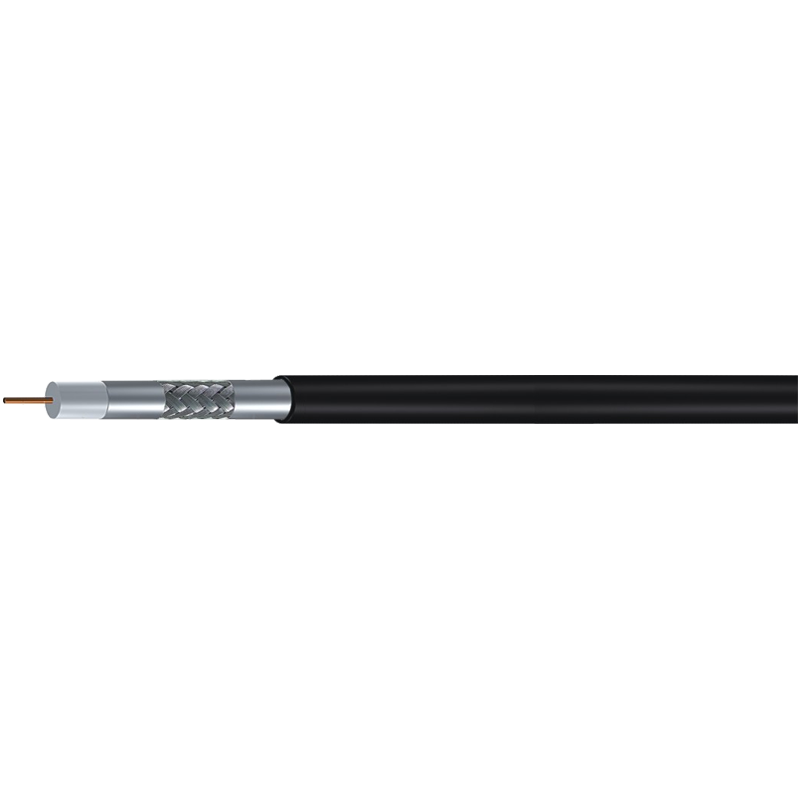
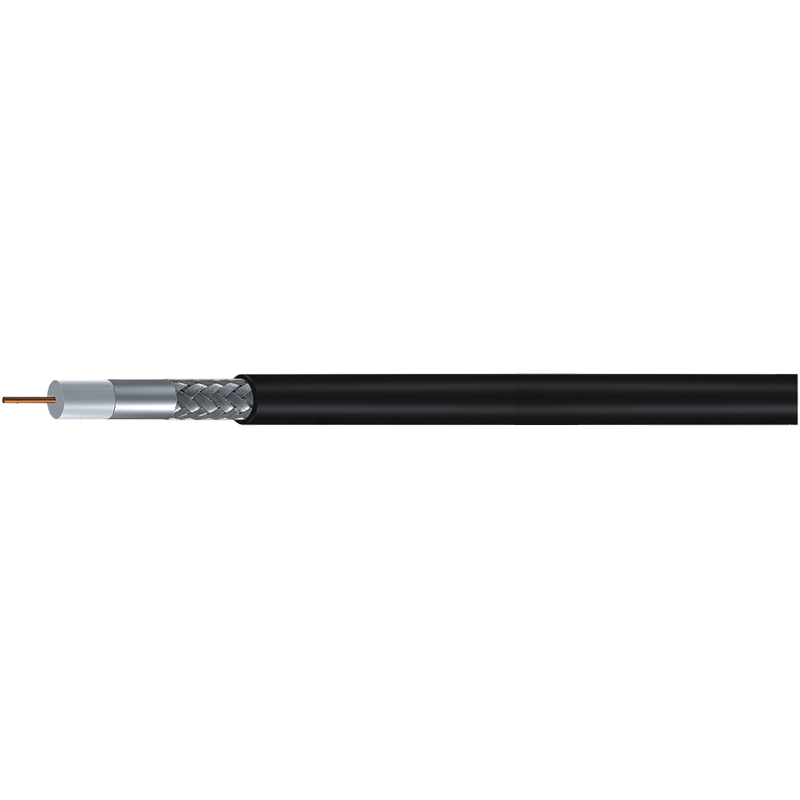
RG59 is usually selected when the cable run is short and the space is tight. Its smaller conductor and dielectric are easy to terminate, but signal loss increases quickly at higher frequencies and over longer distances. RG6 is the most widely used 75 ohm cable because it gives acceptable loss for typical residential and commercial TV runs while remaining manageable to install. RG11 offers the lowest attenuation per meter, which makes it the better choice for long distances before amplification becomes necessary, but its larger diameter makes pulling and termination more demanding.
If you need deeper detail on the most common option, this guide to RG6 75 ohm coaxial cable covers installation-oriented performance and selection factors.
Standard Shield, Trishield, or Quadshield?
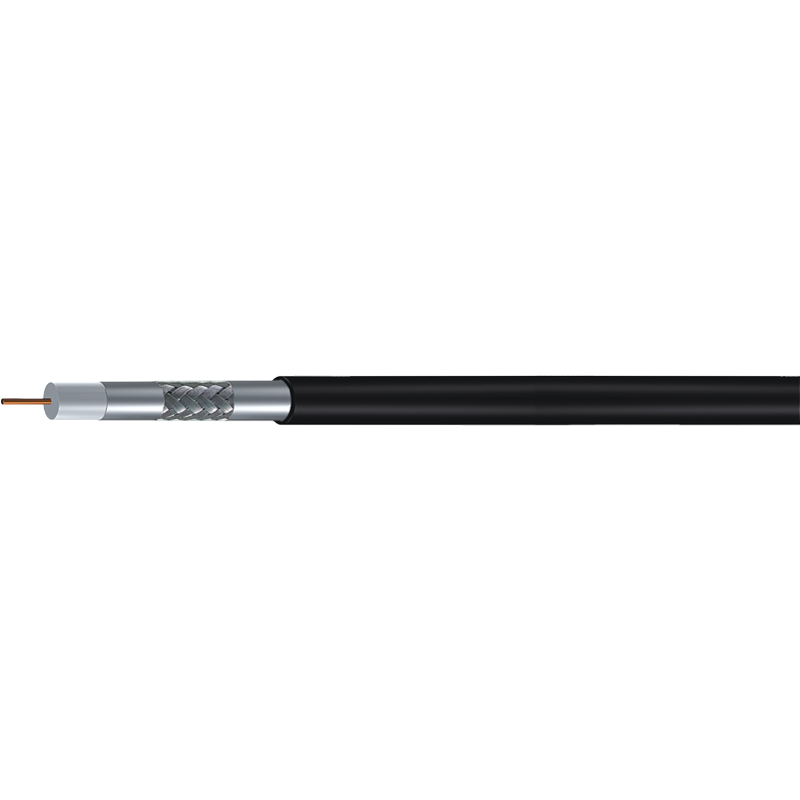
After choosing the cable family, the next major decision is shielding. The shield keeps external interference out and prevents signal leakage from the cable itself. Manufacturers describe shielding in terms of standard, trishield, or quadshield, depending on the number of foil and braid layers.
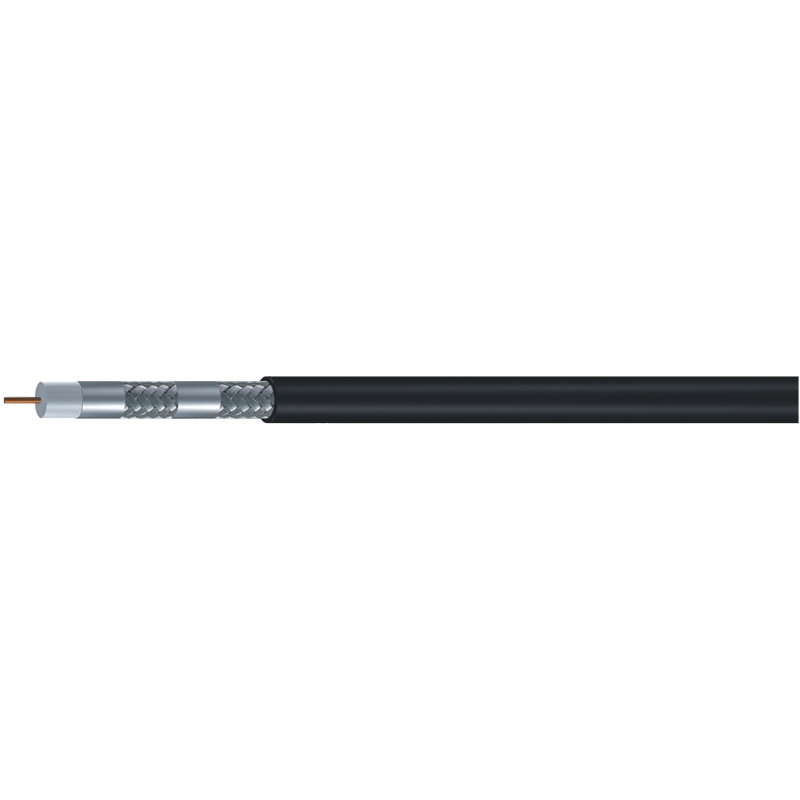
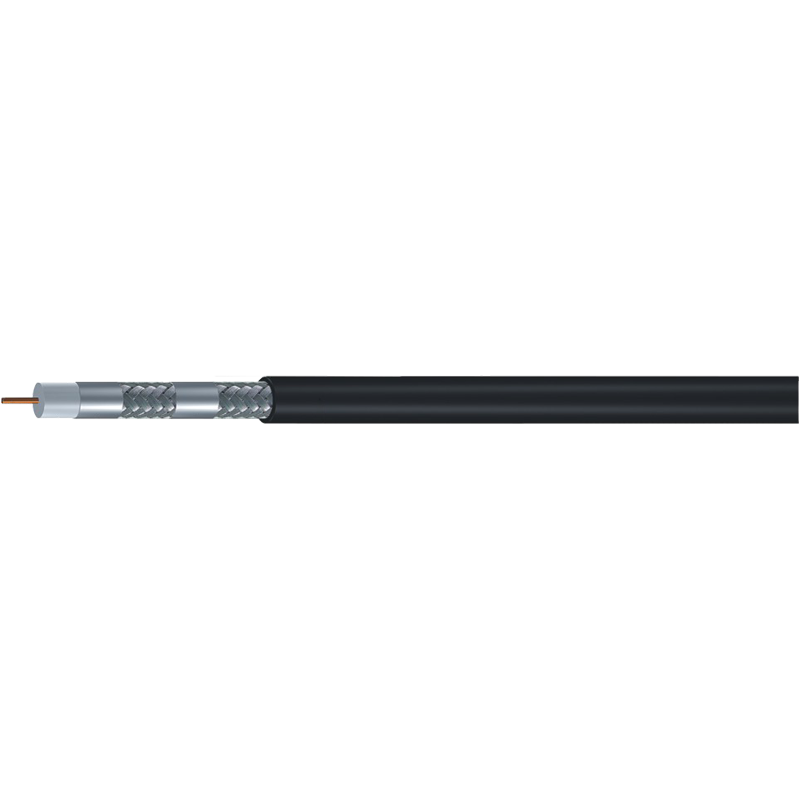
A standard shield normally has one foil layer and one braid layer. It works well in ordinary indoor environments where electromagnetic noise is moderate. Trishield adds a second foil layer for better protection, while quadshield typically uses two foil layers and two braids to provide the highest attenuation of outside interference. More shielding is useful near radio transmitters, in industrial areas, and on long runs where the cable can behave like an antenna.
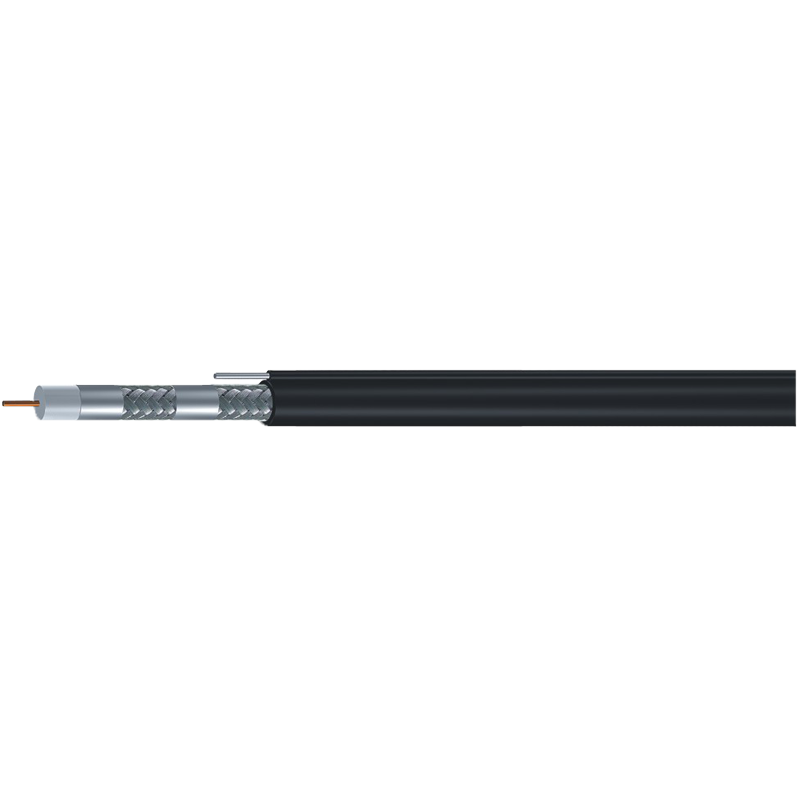
For satellite IF signals or a long run near likely interference sources, a quadshield construction is often the safer investment without making termination significantly harder. Many installers choose a 75 ohm RG6 quadshield coaxial cable because it combines manageable handling with strong isolation for both terrestrial TV and satellite signals.
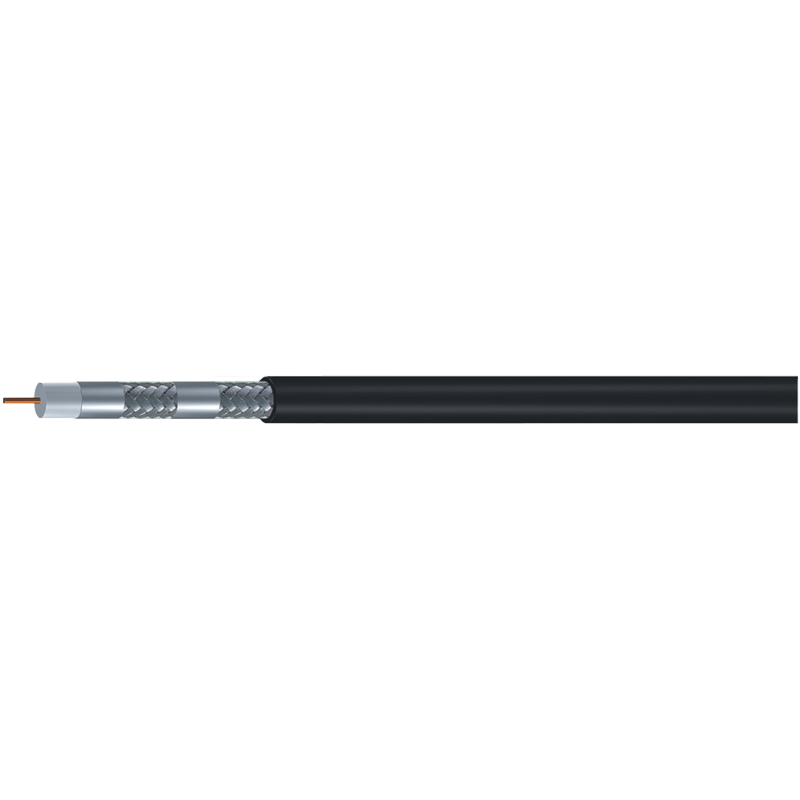 RG6 Quad-Shield 75 Ohm Coaxial Cable Manufacturers, OEM/ODM Factory - Zhejiang C Zhejiang CommSpace Cable Co., Ltd is China Custom RG6 Quad-Shield 75 Ohm Coaxial Cable Manufacturers and OEM/ODM Factory, Physical Constr... View Product →
 Messenger Cables for Outdoor and Aerial Installation
When a coaxial cable has to be hung between poles or along a fence, a messenger version is the practical choice. A messenger is an extra steel support wire built into the cable. It carries the mechanical load of the span, so the coaxial core is not stretched or stressed by wind and its own weight.
Messenger cable is common in CATV drops, rural broadband extensions, and outdoor distribution networks. The support wire allows the cable to span longer distances without a separate messenger or lashing system. Before selecting one, check the messenger material, expected span length, and jacket suitability for ultraviolet exposure. Indoor cable will not survive years outdoors, even if it has the same RG number.
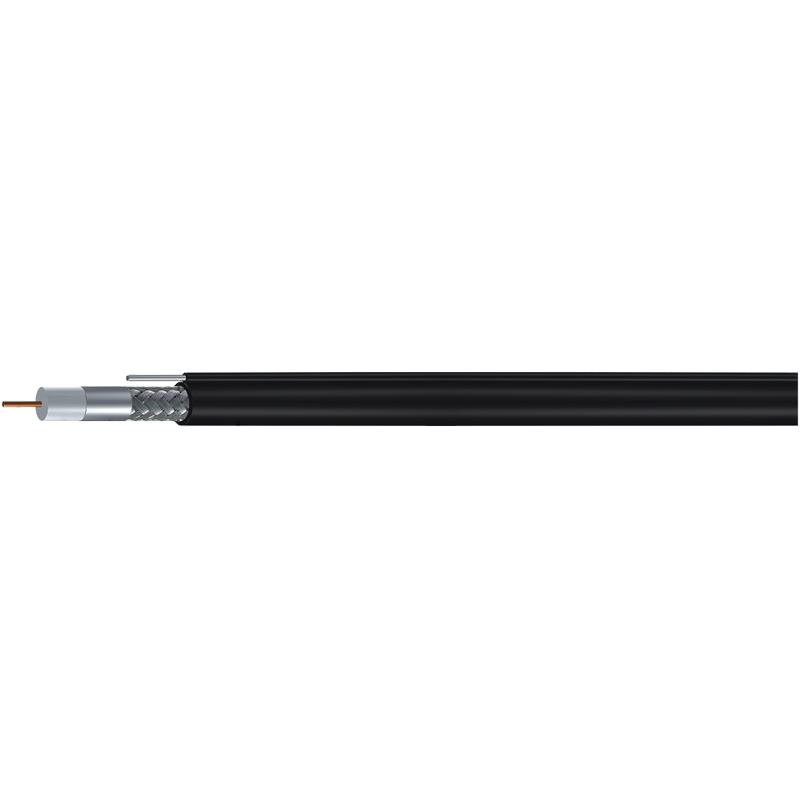
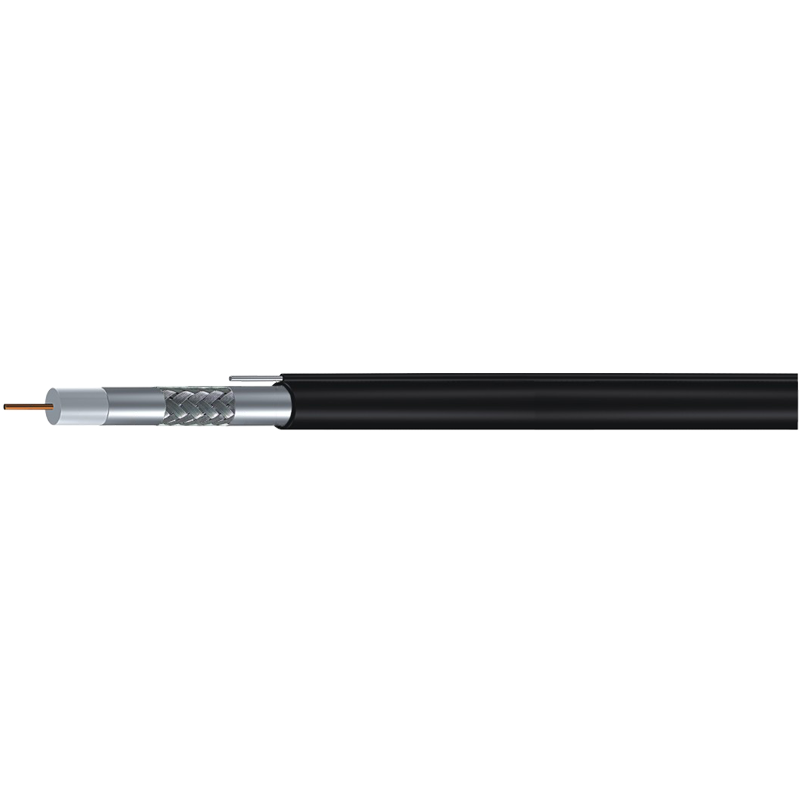
For long outdoor spans that also need low signal loss, an RG11 standard shield with messenger coaxial cable is a logical combination. The larger RG11 core reduces attenuation over distance, while the messenger handles the mechanical demands of an aerial path.
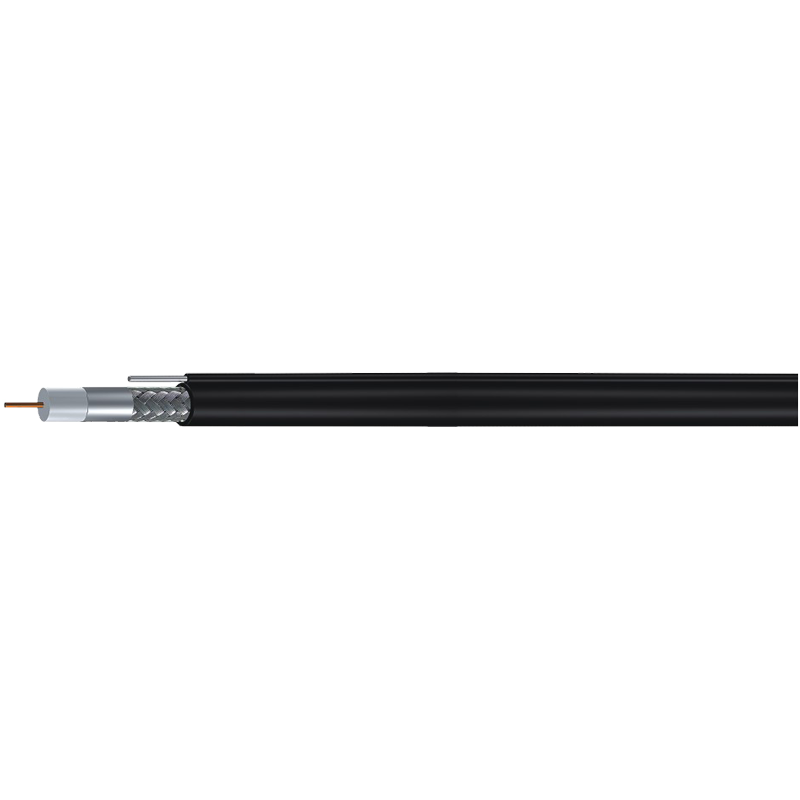 RG11 Standard Shield With Messenger 75 Ohm Coaxial Cable Manufacturers, OEM/ODM Zhejiang CommSpace Cable Co., Ltd is China Custom RG11 Standard Shield With Messenger 75 Ohm Coaxial Cable Manufacturers and OEM/ODM Fact... View Product →
 CCTV, Specialty Cable, and the Right Application Fit
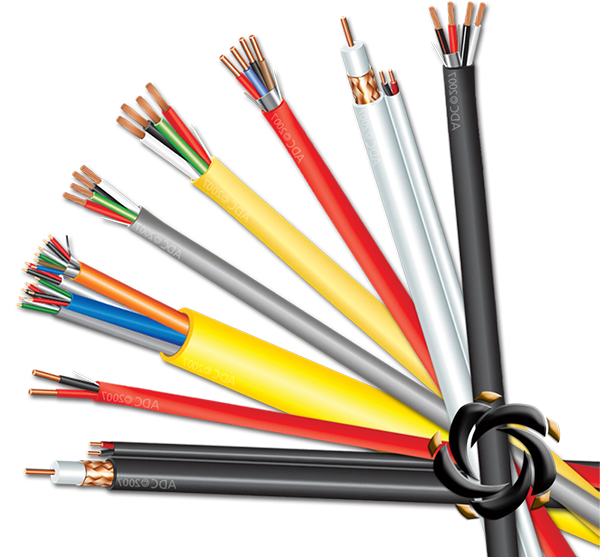
75 ohm coaxial cable is also central to video surveillance. RG59 has been a longtime favorite for analog CCTV because it is inexpensive, flexible, and easy to terminate in tight spaces. When a camera also needs power, a composite cable with integrated conductors can simplify installation by replacing two separate cables with one pull.
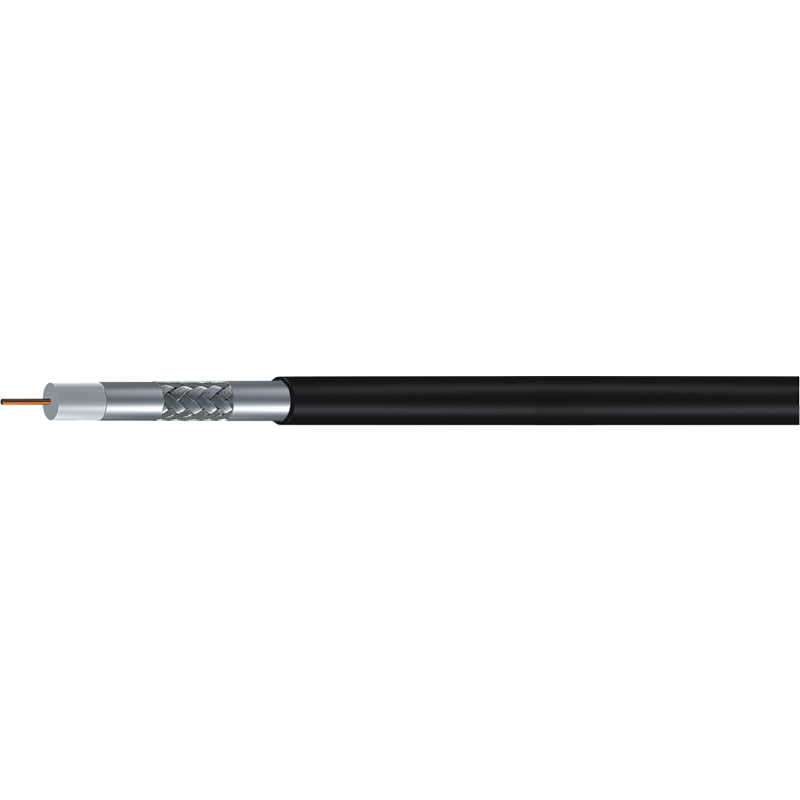
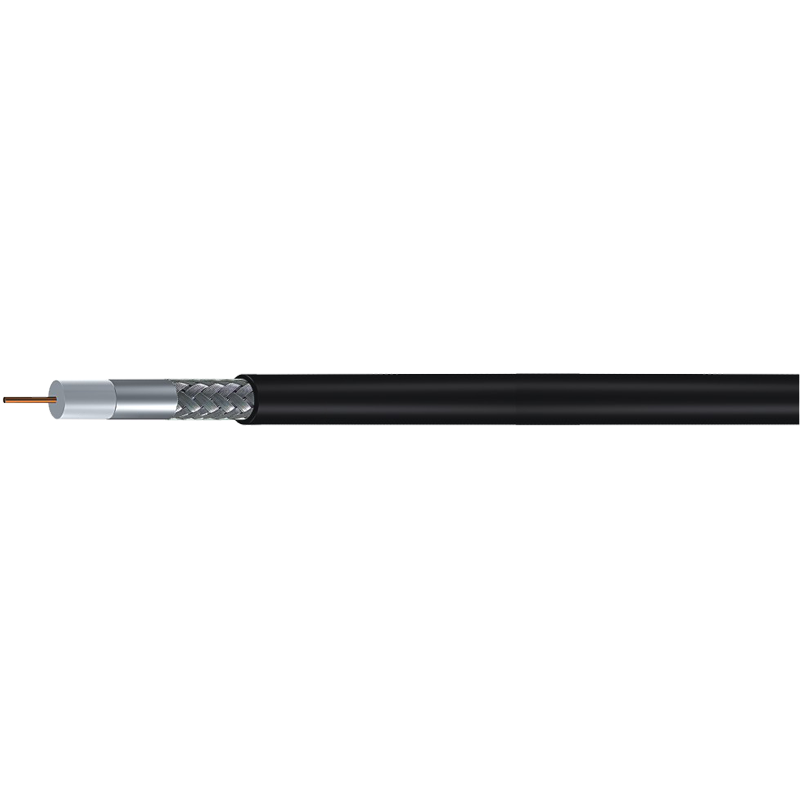
For short CCTV runs in a clean environment, a standard shield RG59 coaxial cable is usually sufficient. For longer camera runs or areas with electrical noise, a thicker cable such as RG6 or a higher shield level can prevent visible image degradation and reduce service calls.
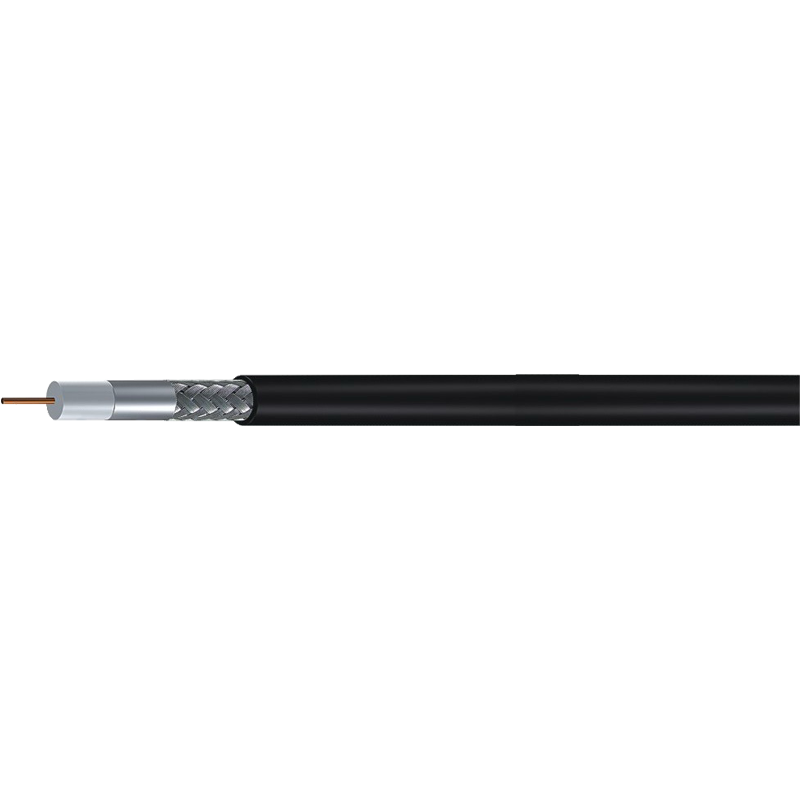 RG59 Standard Shield 75 Ohm Coaxial Cable Manufacturers, OEM/ODM Factory - Zheji Zhejiang CommSpace Cable Co., Ltd is China Custom RG59 Standard Shield 75 Ohm Coaxial Cable Manufacturers and OEM/ODM Factory, Physical C... View Product →
 Beyond RG-style cables, some 75 ohm product lines include types such as S4CFB, S5CFB, and S7CFB. These cables are intended for applications where the standard RG range does not provide the ideal balance of diameter, loss, and frequency response. They are worth reviewing when a project has unusual distance or bandwidth requirements.
A Practical 75 Ohm Coaxial Cable Checklist
Before ordering bulk cable for a project, compare the main options against this checklist:
- Confirm the impedance requirement: 75 ohm for video; 50 ohm for many RF transmitter feeds.
- Choose the RG family by distance: RG59 for short, RG6 for typical, RG11 for long.
- Select the shield level based on local interference and signal sensitivity.
- Use a messenger version for aerial spans that lack separate support.
- Verify the jacket material and temperature rating for outdoor or plenum zones.
- Check certifications and test documentation for the destination market.
The last point is easy to overlook. Two spools of cable can look identical from the outside, but copper-clad versus solid copper conductors, foam density, braid coverage, and jacketing quality can differ substantially. For commercial projects, ask for test reports and available product certifications.
What a Manufacturer Needs to Deliver
75 ohm coaxial cable is an infrastructure product, so reliability matters as much as initial price. A supplier with in-house control over foaming, braiding, and jacketing can hold tighter tolerances than one that simply re-labels imported reels. Production capacity and test capability are also practical considerations when delivery schedules matter.
Zhejiang CommSpace Cable Co., Ltd. is one manufacturer that builds 75 ohm coaxial cable in RG6, RG59, RG11, and specialty constructions. The production site runs 12 gas-injected physical foam extrusion lines and 330 high-speed braiding machines, with an annual capacity above 350,000 km. Its products are commonly certified to UL, ETL, JIS, CE, CPR, RoHS, and REACH, and barcode-based traceability covers each production batch. Those details are useful benchmarks when you evaluate a source for a large purchase.
No single 75 ohm coaxial cable is right for every installation. Start with the correct cable family, then add the shield level that matches the local interference environment, and finally adapt the design for outdoor or aerial conditions. When the cable is matched to the actual application rather than chosen only by price, both signal quality and installation lifespan improve.